Specifications for a mobile application
A specifications document, also known as a Functional Specifications Document (FSD), is a document that provides a detailed presentation of all the information necessary to carry out a project.
Used across various sectors, it serves as the reference document that project stakeholders follow to achieve a result that matches initial expectations.
Whether for in-house development or through an agency, drafting a specifications document is indispensable. Take it from our experience. 😉
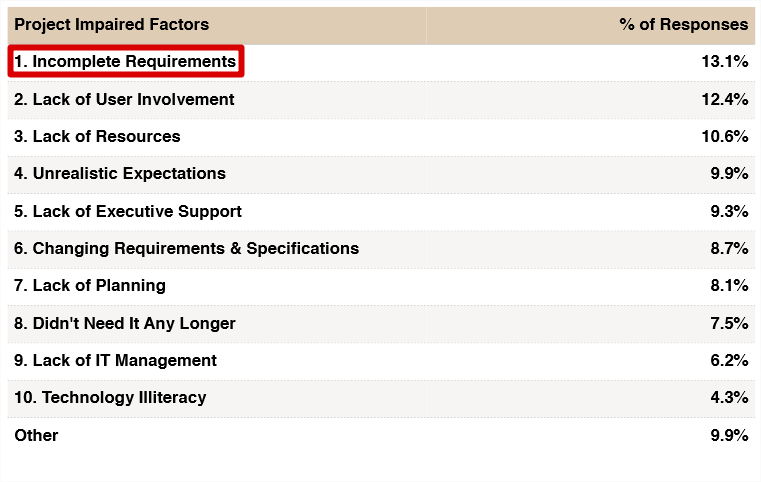
According to a report by The Standish Group dating from 2015 (the 2020 report has not yet been published), the primary reason for IT project failure is an incomplete specifications document.
In addition to detailing the project for your service provider, the FSD constitutes a legally binding contractual document that protects you in the event of misunderstandings with your development agency.
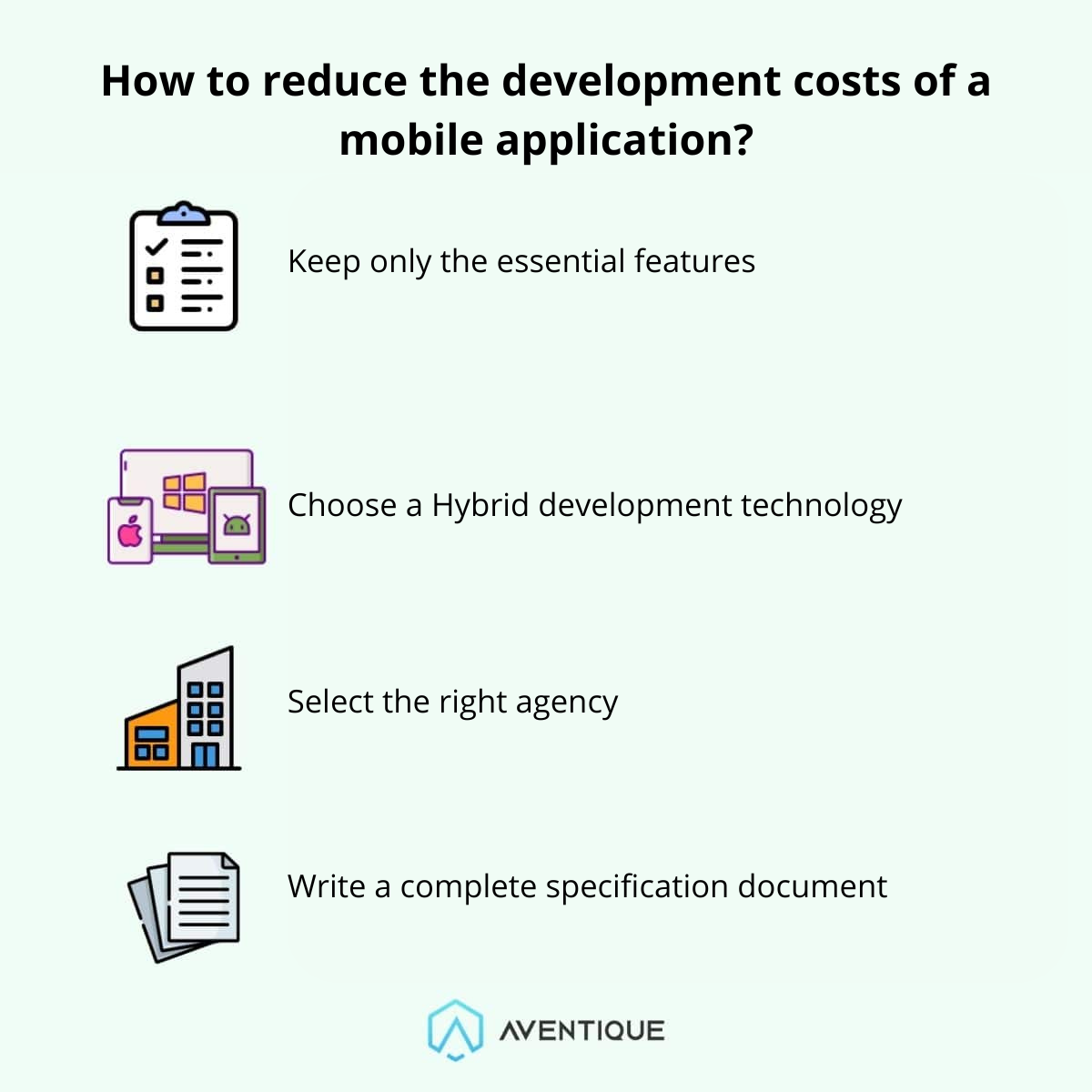
Take the time to draft a clear and exhaustive specifications document. By doing so, you will significantly reduce the risk of receiving a deliverable that does not meet your expectations. You will also help your provider accurately estimate the time and budget required for your mobile application (see our mobile development offer).
Note: At Aventique, you can consult us with a simple expression of needs. This will allow you to get an initial estimate of the cost and timeline. We can subsequently help you finalize a formal specifications document.
Objectives of a Functional Specifications Document
- It allows you to obtain quotes and create competition between different service providers.
- It serves as a working foundation that gives providers the opportunity to propose innovative solutions for your needs while respecting your constraints (price/deadlines/objectives…).
- It constitutes a basis for comparison between deliverables and your expectations.
- It helps you avoid damaging oversights.
- It provides a clear vision of the real scope of work and resources needed for the project.
- It anticipates potential conflicts with your provider by clarifying everything from the start with a reference document.
Thus, the specifications document is the first step of any mobile development project.

The document is generally quite substantial, ranging from 10 to 50 pages, and includes the following elements:
- Presentation of the project context
- Application design
- Features and technical specifications
- Project timeline and stakeholder responsibilities
Let’s look at each element in more detail.
Presentation of the project context

1. Your Company
First, present your company by mentioning:
- Date of establishment;
- Core business;
- Products and services;
- Key characteristics;
- Founder profiles, if relevant;
- Number of employees;
- Presentation of main competitors;
- Target audience;
- Growth strategies.
The application must integrate into your company’s context. This is why the provider needs to know more about you to design an app that reflects your business and meets its objectives.
2. Problem Statement
Address the problem that led you to consider developing a mobile application. Then, explain why you believe this application will solve that problem.
3. Current Situation
If you already have a website or a mobile app, explain the current situation. Here are several points to cover depending on your situation:
- Is there an existing application or website? If so, describe the solution.
- Current statistics (monthly traffic, bounce rate, conversion rate, number of registered users, number of downloads…).
- Type of monetization.
- Payment methods used.
- Platforms used for notifications, behavioral analysis, etc.
- Documents concerning the existing brand identity.
- Number and profile of people working on this project.
4. Application Objectives
Explain your goals—what you want to achieve with this application. For example, your objectives might be to build customer loyalty, increase the average basket size, or launch a new service.
5. Describe the application you wish to develop
Describe the application you want to develop without getting into specific features yet.
Example: We wish to launch an e-commerce application that will complement our online sales site. The application will feature the products sold on our website.
6. Operating Systems
Do you want an Android or iOS application, or one that runs on both systems?
Generally, two technological possibilities are available for mobile development:
- Native: Native apps are developed specifically for a specific operating system.
- Hybrid: Unlike native apps, hybrid or cross-platform apps are developed just once and are compatible with both iOS and Android; they often rely on modern web technologies, particularly Vue.js, to create responsive, lightweight cross-platform interfaces that offer an excellent balance between performance and development costs
Naturally, each option has its advantages and disadvantages.
7. Application Business Model
- Type of monetization (freemium, subscription, advertising, etc.).
- Payment methods you wish to use.
Application Design

In this second step, you must provide and specify the graphical aspects of the application.
1. Provide existing materials
If you have a logo, a brand identity guide, etc., they should be included in this part of the document.
Otherwise, specify whether you are entrusting the creation of the logo and identity to the agency or handling it independently.
2. Functional Mockup (Wireframe)
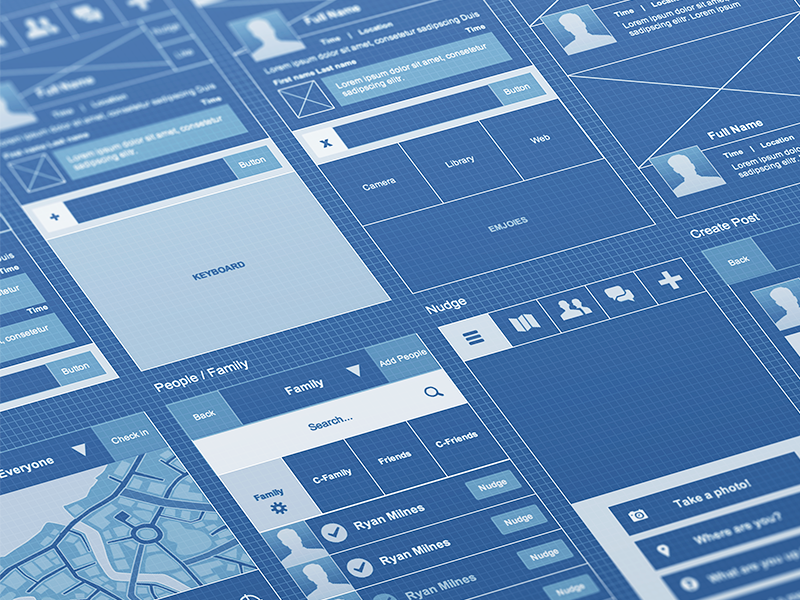
Image source: Icons8.com
Wireframing is the step that involves defining, through simplified drawings, the screens that will make up your application. It helps stakeholders get a more precise idea of the app’s structure and different screens.
Don’t dwell on aesthetic details. The goal of the wireframe is to determine the placement of various components on your screens.
3. Sources of inspiration
Feel free to list a few applications whose design inspires you; this will help your provider understand what you like and dislike.
Features and Technical Specifications
1. Features
At this stage, providing a detailed description of your features also helps your service provider choose the right technology stack: for example, using TypeScript for a reliable and maintainable application significantly reduces errors in production right from the design phase
2. Back Office
The back office, often in the form of a web portal, allows you to manage and administer your mobile application. For this type of robust and scalable administrative interface, frameworks like Symfony are particularly well-suited for projects involving complex business logic.
For example, you can perform the following tasks via the back office:
- Updating text or images,
- Sending push notifications,
- Modifying prices,
- Managing user accounts (deleting, adding, or extending subscriptions, etc.),
- Exporting data.
It is crucial to define your back office and API requirements as early as the project specifications (cahier des charges) phase. For projects requiring a future-proof architecture, a structured and scalable NestJS API significantly facilitates future functional updates without the need for a full rewrite.
3. Constraints
Will the application be used offline?
Project Timeline and Stakeholder Responsibilities
1. Expected Services
To be as precise as possible and avoid misunderstandings, describe the expected services in detail. Is it a graphical redesign? Technical modifications? Development of a new application?
2. Resources
In the case of internal development, listing your resources will help you define your challenges.
List your constraints as well. For example, your resources might be the people working on your project, and your constraints might be the lack of a designer to create the application mockups.
3. Budget
Be as specific as possible so that the quotes you receive are consistent with your actual budget.
4. Expected Deadlines
If you have a launch date for your application, mention it here. If not, we advise letting the providers propose their own timelines.
5. Who to contact for which question?
Designate key contact persons within your company. These contacts will guide the provider throughout the application development.
Conclusion
Your provider cannot read your mind, so try to communicate as much information as possible.
Key points to remember:
- The specifications document defines the objectives, constraints, and features of a new application.
- It also incorporates other elements, such as the company profile, employees, and target audience.
- A complete specifications document allows for effective project management by controlling budget and time and avoiding setbacks.
Feel free to also read our article: How to draft website specifications.
You might be asking these questions
Where can I find an example of specifications for a mobile application?
Aventique offers a specifications template for mobile applications.
Comment présenter son projet dans un cahier des charges pour application mobile ?
To present your mobile application project, you will need to describe your company, the problem it addresses, its current situation… Read more